


Our Expert Guide to Home Inspection Insights

Buying or maintaining a home is a significant investment, and understanding the ins and outs of home inspection can save you from costly surprises. I want to share with you some expert home inspection insights that will empower you to make informed decisions. Whether you are stepping into the market for the first time or managing your property, these strategies will help you navigate the process with confidence and clarity.
Why Home Inspection Insights Matter
Home inspections are more than just a formality. They are a critical step in uncovering hidden issues that could affect the safety, value, and comfort of your home. When you approach a home inspection with the right mindset and knowledge, you can:
Identify potential repairs before they become emergencies
Negotiate better terms or pricing based on inspection findings
Plan for future maintenance and upgrades
Gain peace of mind knowing your investment is sound
For example, a thorough inspection might reveal a faulty roof or outdated electrical wiring that could pose risks. Catching these early means you can address them proactively rather than reactively.

Key Areas to Focus on During a Home Inspection
When you attend or review a home inspection, it’s essential to know which areas deserve your close attention. Here are the main components that often reveal the most about a property’s condition:
Structural Elements
Look for cracks in the foundation, uneven floors, or signs of water damage in the basement. These can indicate serious structural problems that might require costly repairs.
Roofing and Gutters
Check the age and condition of the roof. Missing shingles, sagging gutters, or signs of leaks inside the attic are red flags.
Plumbing and Electrical Systems
Inspect pipes for leaks or corrosion and ensure the electrical panel is up to code. Faulty wiring or outdated plumbing can be safety hazards.
HVAC Systems
Heating and cooling systems should be tested for efficiency and functionality. A well-maintained HVAC system can save you money on energy bills.
Interior and Exterior Surfaces
Look for signs of mold, peeling paint, or damaged siding. These issues might seem cosmetic but can indicate underlying moisture problems.
By focusing on these areas, you can get a comprehensive picture of the home’s health and avoid surprises down the road.
How to Prepare for Your Home Inspection
Preparation is key to making the most of your home inspection. Here are some practical steps you can take:
Attend the Inspection - Being present allows you to ask questions and see issues firsthand.
Review the Inspection Report Carefully - Don’t just skim it. Understand each point and ask for clarification if needed.
Bring a Checklist - Use a checklist to ensure all critical areas are covered.
Take Notes and Photos - Document any concerns or questions to discuss with your inspector or contractor.
Plan for Follow-Up - Some issues may require specialist evaluations or estimates for repairs.
Taking these steps will help you feel more in control and ready to make decisions based on solid information.
Understanding the Role of a Professional Inspector
A professional home inspector is your ally in this process. Their expertise and experience allow them to spot issues that might escape an untrained eye. When choosing an inspector, consider the following:
Certification and Licensing - Ensure they meet state requirements and have relevant credentials.
Local Knowledge - Inspectors familiar with Delaware, Pennsylvania, and Maryland understand regional building codes and common issues.
Comprehensive Reporting - Look for detailed reports with photos and clear explanations.
Reputation and Reviews - Check testimonials and ask for references.
Remember, a good inspector doesn’t just list problems; they provide context and advice on severity and urgency. This helps you prioritize repairs and negotiate effectively.
Making the Most of Your Home Inspection Insights
Once you have your inspection report, it’s time to act. Here’s how to use your newfound knowledge:
Negotiate Repairs or Price Adjustments - Use documented issues to request fixes or price reductions.
Schedule Necessary Repairs Promptly - Address safety concerns immediately to protect your family and investment.
Plan Long-Term Maintenance - Create a maintenance schedule based on the inspector’s recommendations.
Keep Records - Maintain all inspection reports and repair receipts for future reference or resale.
By treating your home inspection insights as a roadmap, you can maintain your property’s value and avoid unexpected expenses.
Your Trusted Partner in Home Inspection
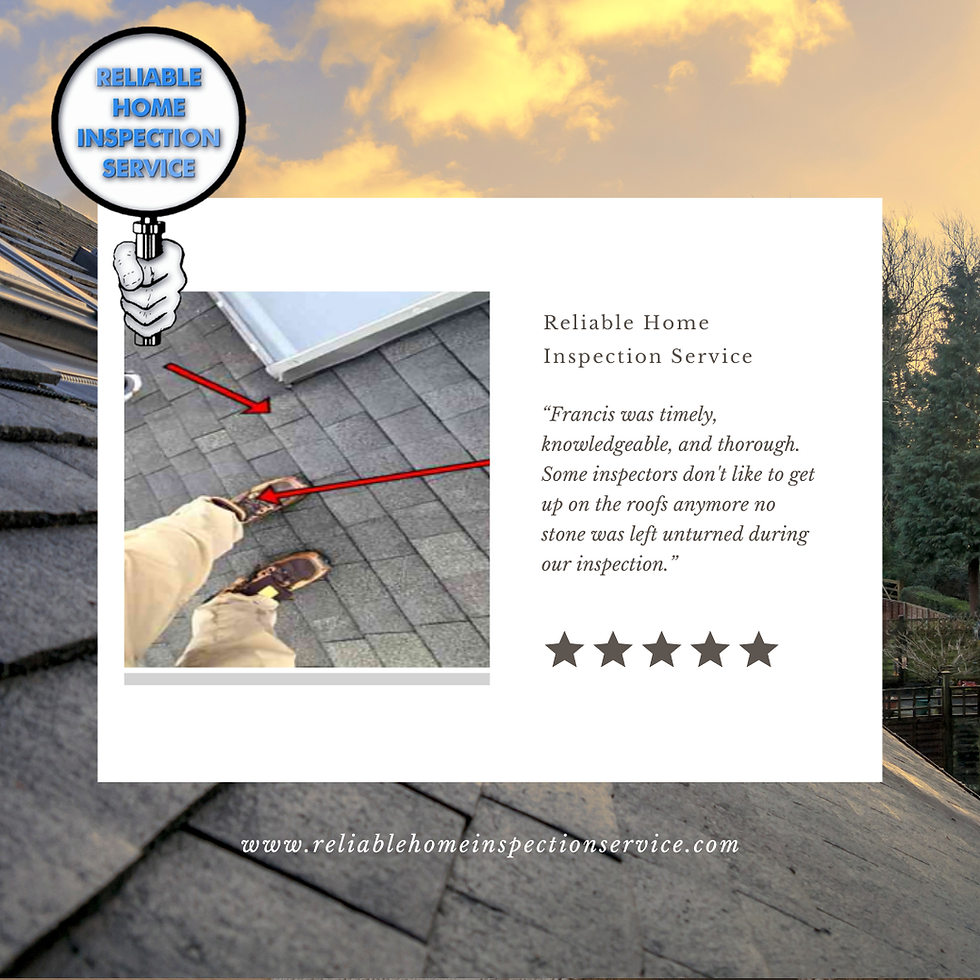
Navigating the home inspection process can feel overwhelming, but you don’t have to do it alone. Reliable Home Inspection Service aims to be the most trusted and comprehensive home inspection partner in Delaware, Pennsylvania, and Maryland. Their expert, local, and thorough property assessments provide the peace of mind you deserve.
If you want to learn more about how to protect your investment and ensure your home is safe and sound, consider reaching out to a professional inspection service. They can guide you through every step with warmth and expertise.
Taking the time to understand home inspection insights is one of the smartest moves you can make as a homeowner or buyer. It’s about more than just checking boxes - it’s about securing your future and creating a safe, comfortable place to call home. With the right strategies and support, you’ll be ready to face any challenge and enjoy your property to the fullest.

Comments