


Why Walking the Roof is Crucial During a Home Inspection

When buying a home, many buyers focus on the interior condition, but the roof often gets overlooked. The roof protects the entire structure from weather damage, so its condition directly affects the home's safety and value. Walking the roof during a home inspection reveals issues that might not be visible from the ground or attic. This hands-on approach helps identify problems early, saving buyers from costly repairs later.
Understanding the Roof’s Role in Home Protection
The roof is the first line of defense against rain, snow, wind, and sun. It keeps water out, maintains insulation, and supports the home's structural integrity. Even small roof problems can lead to leaks, mold growth, and damage to walls and ceilings. Inspecting the roof thoroughly ensures these risks are minimized.
Why Visual Inspection from the Ground Isn’t Enough
Looking at the roof from the ground or using binoculars can only show obvious damage like missing shingles or large stains. However, many issues remain hidden without close inspection:
Damaged or loose shingles that could blow off in strong winds
Cracked flashing around chimneys and vents that allow water entry
Soft spots or sagging areas indicating underlying wood rot
Clogged or damaged gutters that affect water drainage
Walking the roof allows the inspector to check these details up close, providing a more accurate assessment.
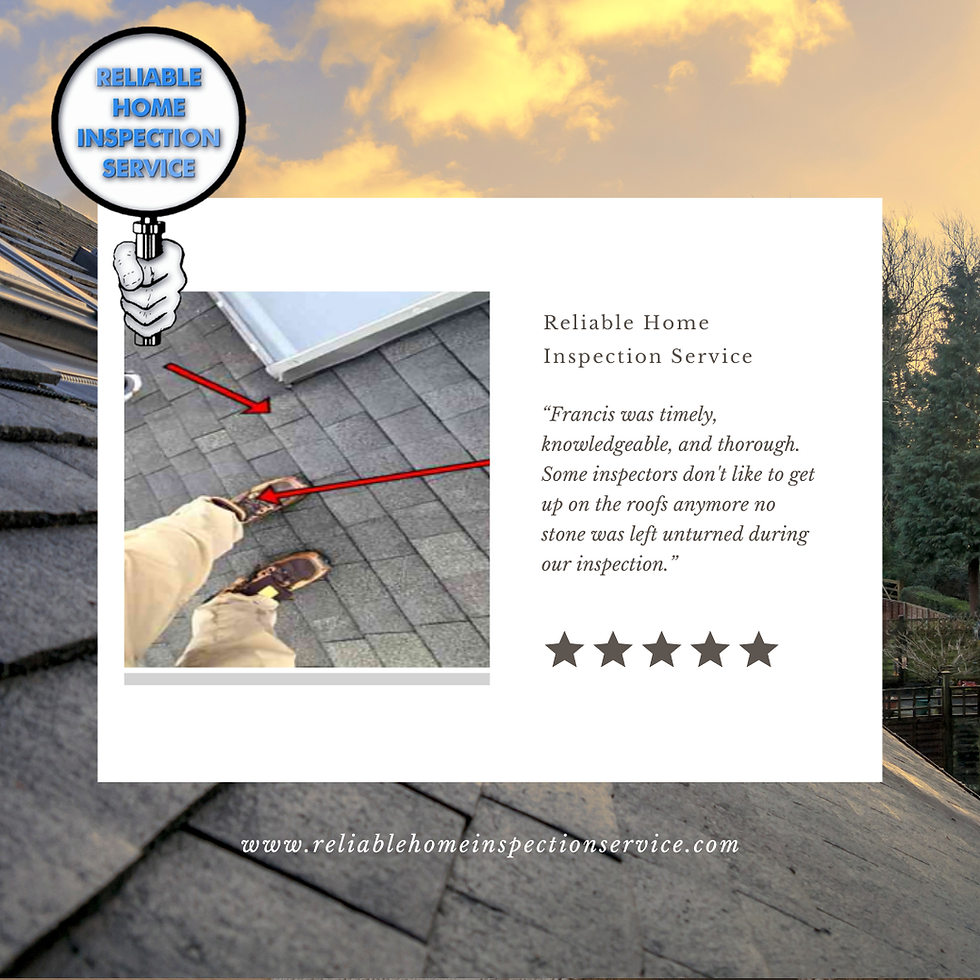
What Inspectors Look for When Walking the Roof
During a roof walk, inspectors examine several key elements:
Shingles or roofing material condition: Checking for curling, cracking, granule loss, or missing pieces
Flashing and seals: Ensuring metal flashings around chimneys, vents, and skylights are intact and sealed properly
Roof structure: Feeling for soft spots or uneven areas that suggest rot or structural damage
Drainage systems: Inspecting gutters and downspouts for blockages or damage that could cause water buildup
Signs of previous repairs: Identifying patches or mismatched materials that might indicate recurring problems
This hands-on inspection helps detect issues that could lead to leaks or structural failure.
Examples of Problems Found Only by Walking the Roof
Many homeowners have discovered serious roof problems only after an inspector walked the roof:
A buyer found curling shingles that were not visible from the ground. The shingles were near the end of their lifespan and needed replacement within a year.
Another inspection revealed cracked flashing around a chimney, which was causing slow leaks and water stains inside the home.
In one case, soft spots on the roof deck indicated hidden wood rot, requiring immediate repair to prevent collapse.
These examples show how walking the roof uncovers hidden risks that affect safety and cost.
Safety Considerations for Roof Walking
Walking a roof involves risks, especially on steep or slippery surfaces. Professional inspectors use safety gear such as harnesses and non-slip shoes. Homeowners should never attempt to walk the roof themselves unless trained and equipped. Hiring a qualified inspector ensures a thorough and safe evaluation.
How Roof Inspection Impacts Home Buying Decisions
A detailed roof inspection influences negotiations and budgeting:
Negotiation leverage: Buyers can request repairs or price reductions based on roof condition
Budget planning: Knowing the roof’s age and condition helps plan for future maintenance or replacement
Peace of mind: Confirming the roof is sound reduces stress and uncertainty
Skipping a roof walk can lead to unexpected expenses and headaches after moving in.
Signs You Should Insist on a Roof Walk
Certain factors make a roof walk especially important:
The home has an older roof, typically over 15 years old
The roof has complex features like multiple slopes, chimneys, or skylights
The home is in an area with harsh weather conditions
Visible signs of wear or damage are present from the ground or attic
In these cases, a roof walk provides critical information for a safe purchase.
What to Expect During a Roof Walk Inspection
A professional inspector will:
Use ladders to access the roof safely
Walk carefully across the roof surface, checking all areas
Take notes and photos of any damage or concerns
Inspect gutters, flashing, and roof penetrations
Provide a detailed report with recommendations
Contact Reliable Home Inspection Service today to schedule your home inspection!
Call Us at 302-993-9100 or Email Us at info@reliablehomeinspectionservice.com


Comments